Major Transport Projects Set to Transform Mumbai Real Estate in 2026
Major Transport Projects Set to Transform Mumbai Real Estate in 2026
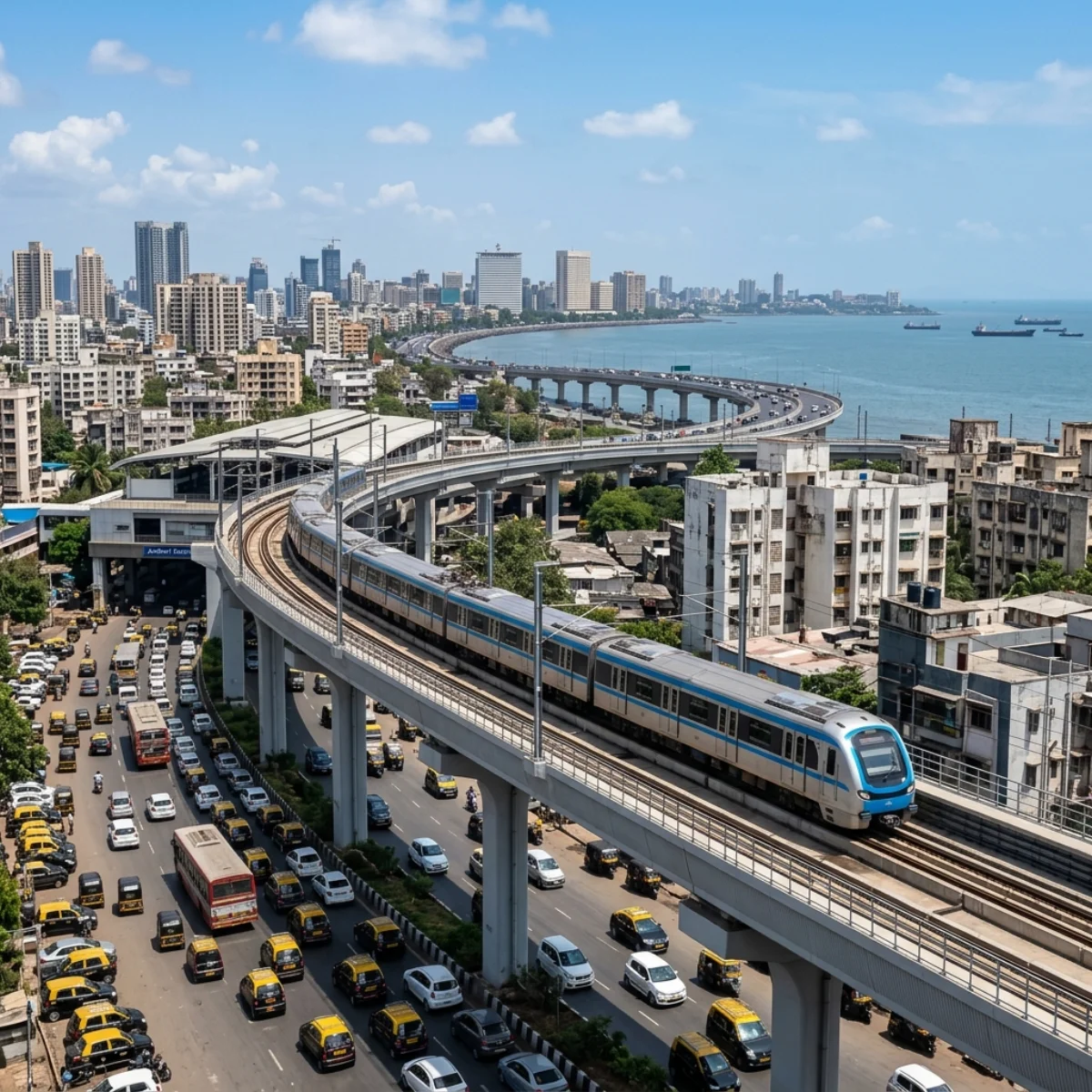
Mumbai's infrastructure story is expected to gather further momentum in 2026 as several major transportation projects move closer to completion. New metro corridors, the Mumbai Coastal Road, and a planned water metro network are set to improve connectivity across the city and reshape how residents travel between key residential and commercial destinations.
Infrastructure has long been one of the strongest drivers of real estate growth in the Mumbai Metropolitan Region (MMR). Improved connectivity reduces travel times, expands access to employment hubs, and opens up new residential locations for homebuyers. As a result, transport projects often have a direct influence on housing demand and property values.
The developments planned for 2026 are expected to strengthen this trend across multiple parts of Mumbai and its surrounding suburbs.
Metro Expansion Continues Across the Region
Mumbai's metro network is expanding rapidly, with several corridors progressing through different stages of development. New stretches of Metro Line 9 towards Dahisar and sections of Metro Line 2B are expected to improve connectivity for commuters travelling across key residential and commercial corridors.
At the same time, work continues on Metro Line 4, including the important 10.5-kilometre Thane section connecting Cadbury Junction and Gaimukh. These projects are designed to improve mobility, reduce road congestion, and provide faster public transport options for residents.
As metro connectivity expands, previously distant locations become more accessible, encouraging residential and commercial development along the corridors.
Mumbai Coastal Road Nears Full Operations
Another major infrastructure milestone expected in 2026 is the full operationalisation of the Mumbai Coastal Road. The approximately 29-kilometre route connecting Marine Lines in South Mumbai to Kandivali in the western suburbs is designed to significantly improve north-south connectivity.
The project is expected to reduce travel times and provide an alternative route for commuters travelling along Mumbai's western coastline. Enhanced connectivity between established residential and business districts can improve accessibility while supporting economic activity.
Large-scale road infrastructure projects often influence development patterns by making certain locations more attractive for both residential and commercial investment.
Water Metro Could Add a New Mobility Option
Mumbai is also expected to move closer to launching a water metro system inspired by the model implemented in Kochi. The proposed service would utilise electric ferries to provide additional public transport options across the metropolitan region.
Water-based transportation has the potential to complement existing road, rail, and metro networks while reducing pressure on heavily congested routes. In a coastal city with extensive waterfront access, water transport can become an important component of a multi-modal mobility strategy.
If implemented successfully, the initiative could create new commuting options and improve connectivity between various parts of the region.
How Infrastructure Influences Property Values
One of the most significant impacts of transportation infrastructure is its influence on real estate demand. Improved connectivity often changes buyer preferences by making longer-distance commuting more practical and convenient.
Properties located near metro stations, major road corridors, and transport hubs frequently attract greater interest due to reduced travel times and enhanced accessibility. Improved infrastructure can also support commercial activity, creating additional employment opportunities and stimulating local economic growth.
As commuting becomes easier, buyers often become willing to consider a broader range of residential locations, increasing demand in emerging micro-markets.
What It Means for Homebuyers
For homebuyers, expanding transport infrastructure creates access to a wider selection of residential options. Areas that were previously considered less convenient may become increasingly attractive as travel times improve.
Infrastructure-led growth can also support the development of new residential communities while enhancing the appeal of established neighbourhoods. Buyers evaluating long-term property purchases often consider planned transportation projects because of their potential impact on accessibility and future value.
As Mumbai's transportation network continues to evolve, connectivity is expected to remain one of the most important factors shaping housing demand.
The Outlook for Mumbai Real Estate
The combination of metro expansion, major road infrastructure, and new mobility initiatives highlights the scale of investment currently being directed towards Mumbai's transportation network. These projects are expected to play a crucial role in supporting future population growth and economic expansion.
For the real estate sector, improved connectivity can unlock new growth corridors, strengthen demand across multiple suburbs, and support more balanced urban development throughout the metropolitan region.
As 2026 unfolds, infrastructure is likely to remain one of the strongest forces shaping Mumbai's property market.
Expert View
"Transport infrastructure has consistently been one of the biggest drivers of real estate growth in Mumbai. Every improvement in connectivity expands the range of locations that buyers and businesses can consider. Metro expansion, the Coastal Road, and emerging mobility solutions such as water transport have the potential to reshape demand patterns across the metropolitan region for years to come." — Sandeep Sadh